Generative AI
The AI agent hype word peaked. The demand didn't.
Searches for the phrase "AI agent" fell by roughly two-thirds between June and September 2026, while searches for specific agent jobs like procurement, customer support, and recruiting kept climbing. Businesses stopped shopping for "an AI agent." They want a task done, and the teams that ship build for the job, not the word.




Searches for the phrase "AI agent" fell by roughly two-thirds between June and September 2026, while searches for specific agent jobs like procurement, customer support, and recruiting kept climbing. Businesses stopped shopping for "an AI agent." They want a task done, and the teams that ship build for the job, not the word.
We build AI agents for a living, so we watch this demand from two angles: the public search trend and our own Search Console data. They agree, and the agreement changes how a serious agent should be scoped.
The hype word peaked in June
Google Trends tells a clean story. Interest in the bare term "AI agent" hit its ceiling in June 2026 and fell to about a third of that by September. The word that carried two years of conference keynotes cooled off in a quarter.
"Custom GPT" ran the same slide, from 36 to 14 over the year. But one related search climbed while the rest fell: "custom gpt actions," up 110%. Read those two together and the message is hard to miss. People stopped wanting something clever to talk to. They started wanting something that does the work.
The word deflated. The need underneath it didn't. It just got specific.
Our own search data says the same thing
We see the pattern in our own numbers, not only the public trend. In Search Console, the generic query "ai agent" earns our pages plenty of impressions and almost no clicks. It's a window-shopper term: broad, curious, uncommitted.
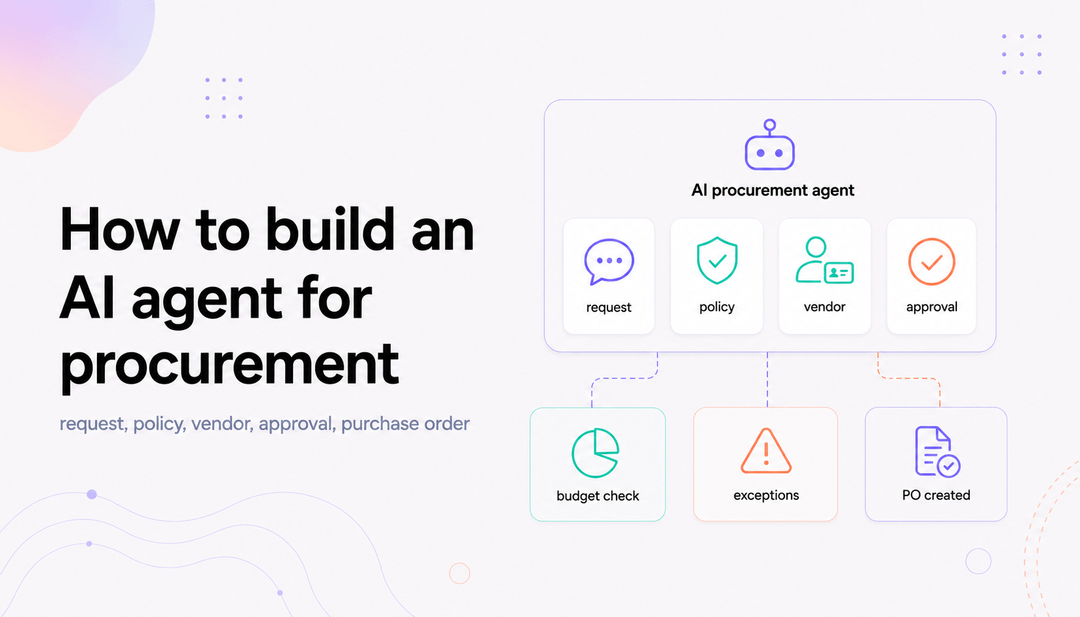
The task queries behave the opposite way. "AI agent for procurement" pulled close to 80 impressions in a single month. Queries about AI inside the CRM stack up together. And "how to lower customer support headcount with automation" sits near the top of the first page for us, because it names a real cost with a budget behind it. The abstract word browses. The specific job buys.
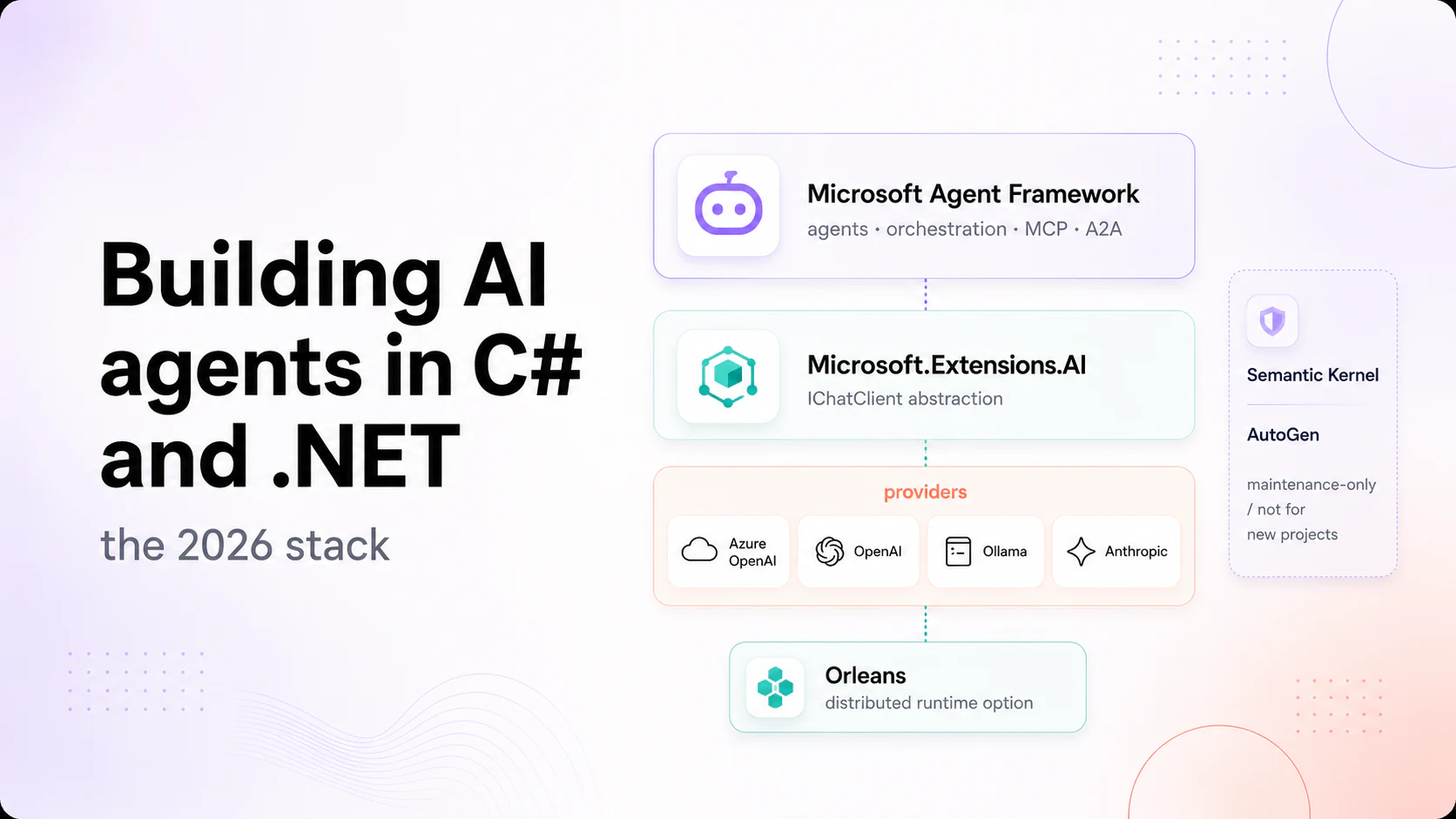
There's a second signal worth naming. Our strongest commercial interest clusters around the stack we build on: AI agents in C# and ".NET ai agents" come back week after week. Once money is involved, "which agent" and "built how" turn out to be the same question.
People search by who they are, not by "agent"
Look at how the demand is named. "AI for real estate" outscores "AI customer support" by half again. "AI for HR" beats "knowledge base" more than two to one. People search for their own job and their own problem, not for the software category that might solve it.
The tool words barely register. "Agent builder," "chatbot," "no-code agent" draw a fraction of the interest that a plain profession does. Nobody googles the machine. They google the result: the leads qualified, the tickets closed, the shortlist ready by morning.
For anyone building or naming one of these, the takeaway is blunt. The word "agent" belongs in your internal diagrams, not in the buyer's search bar.
What a task-first agent actually looks like
Drop the buzzword and the build gets clearer. A useful agent runs one real workflow from end to end: it reads the incoming request, checks it against your rules, takes the action, and hands off to a person when the call needs judgment. Not a demo that answers questions. A system that moves work forward.
That's how we scope every build. We map one workflow first, before any code: where it starts, where it stalls, where a human has to decide. Then we build on .NET with tests and guardrails, connect it to the systems your team already uses, and measure it against real volume once it's live. A good agent is judged by what it does correctly a thousand times, not by how well it demos once.
The task decides everything downstream: the knowledge the agent needs, the actions it's allowed to take, the moment it must escalate. Start from "build me an AI agent" and you get a science project. Start from "clear the procurement inbox by Monday" and you get something that pays for itself.
Where teams still get it wrong
The most common mistake is building for the word. A team sets out to "add AI agents," ships a demo that impresses the room, and then nothing shifts in the daily work, because the demo was never aimed at a specific job. The model worked. The integration and the scope didn't. Most of the rescue projects that reach us arrive right after that meeting.
The second mistake is the do-everything agent. One assistant meant to cover support, sales, HR, and analytics at once ends up thin at all four. The agents that earn their place are narrow on purpose.
The fix is unglamorous and it holds up: pick the one workflow that is high-volume, rule-heavy, and low-joy. Automate that. Prove it on real traffic. Then widen.
The word cooled. The work didn't.
The drop in "AI agent" searches isn't the market losing interest. It's the market growing up. The easy excitement is spent, and what's left is a short list of concrete jobs people will pay to have done reliably, inside their own systems, with a person still accountable.
That's the version of AI agents worth building, and the only version worth selling.
If you already have a workflow in mind, that's where we start. See how we approach AI agent development, or tell us the task that eats your team's week.
FAQ
Is interest in AI agents actually declining? Interest in the phrase is. Google Trends shows the bare term "AI agent" fell by about two-thirds between June and September 2026. Searches for specific agent jobs like customer support, recruiting, and procurement kept rising over the same stretch. The word cooled; the demand moved to concrete tasks.
What kinds of AI agents do businesses search for most? By task and by profession, not by function. "AI for real estate," "AI customer support," "AI recruiting," and "AI for HR" all draw far more interest than abstract terms like "AI agent builder" or "knowledge base." People search for their job first, then for the result they want.
Why does our AI feature demo well but change nothing? Usually because it was built for the buzzword instead of a workflow. A demo answers questions; a working agent takes actions inside your systems and escalates when it should. If it isn't aimed at one real, high-volume task, the daily work doesn't move.
Which workflow should we automate with an agent first? The one that's high-volume, rule-heavy, and low-joy: the repetitive job that quietly eats a team's week. Map it end to end, automate it, prove it on real volume, then widen the scope.
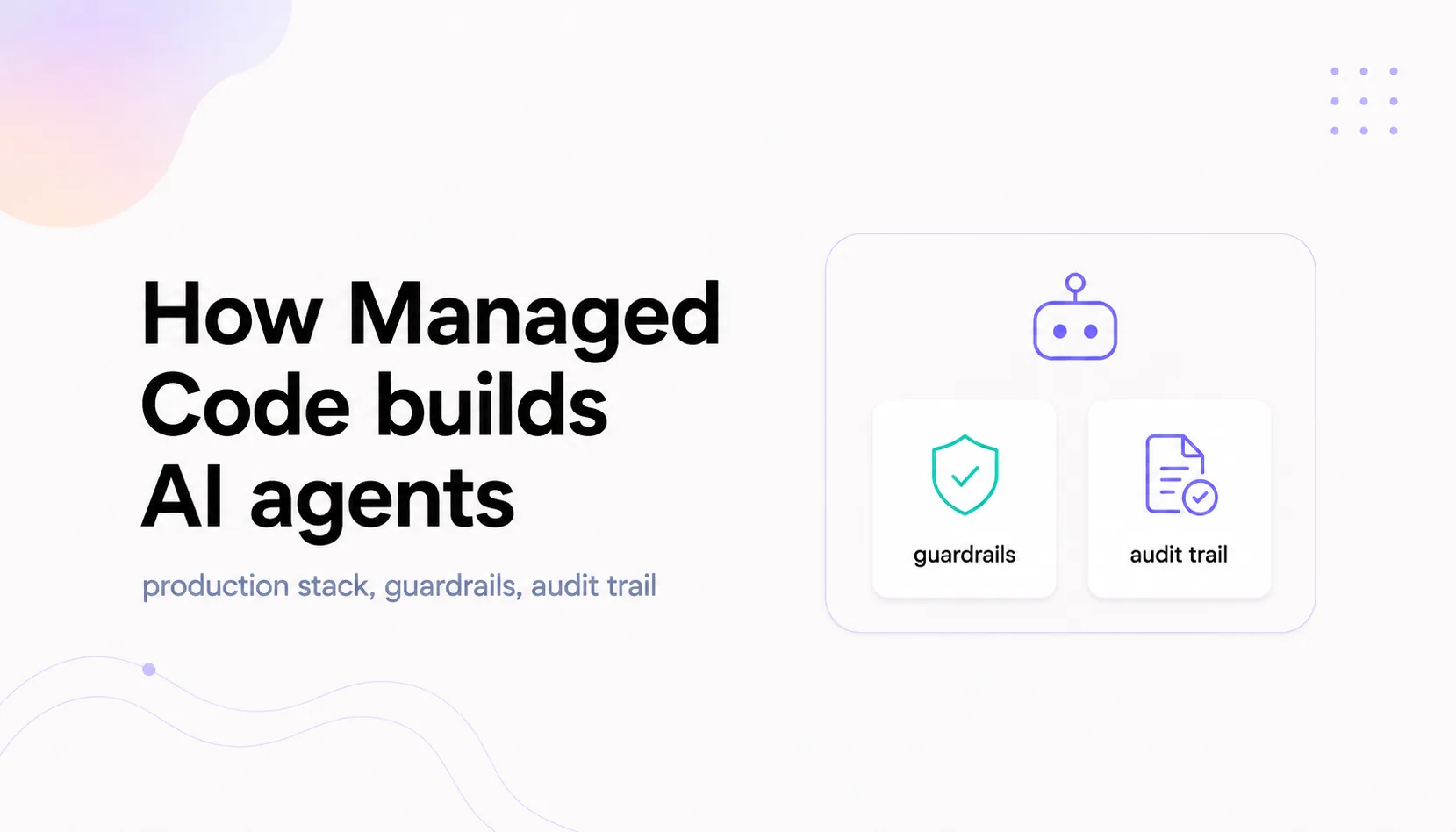
Do you build production AI agents, not just prototypes? Yes. We build custom AI agents on .NET with tests, guardrails, and a full audit trail, connected to the systems you already run, with a human in the loop where the stakes call for it. See AI agent development.
News & Insights
Start here
Bring us the agent that keeps braking
Tell us which workflow eats time, creates errors, or keeps landing back in a human review queue. We map the data, tools, risks, and escalation path before recommending anything.
Tell us the workflow that eats your time. We'll map it, show you a range, and say if automation is even worth it.